

Land Sharing for Tiny Home Living: A Practical Guide for Landowners & Tiny Home Owners
Land sharing has become one of the most important — and most misunderstood — parts of tiny home living in New Zealand.
For many people, the tiny home itself is achievable. What isn’t, especially in today’s property market, is purchasing land on top of it. Land sharing bridges that gap, allowing tiny home owners to live independently and mortgage-free, while landowners unlock value from land they already own.
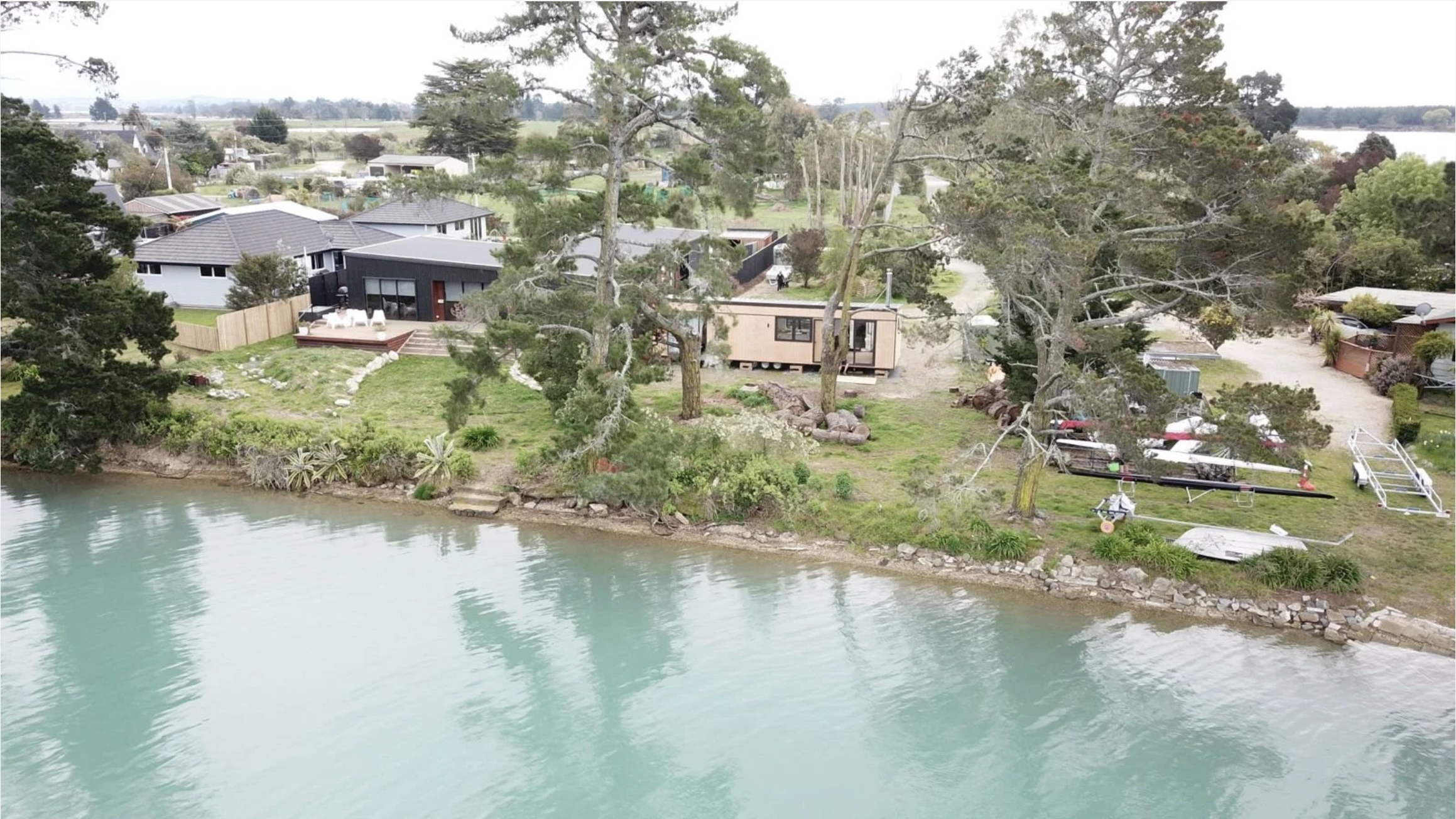
When done well, land sharing can be a genuinely positive, long-term arrangement. When done without the right checks, it can quickly become stressful for everyone involved.
At Ruru Tiny Homes, over 75% of our clients live on leased land, so this isn’t theory for us — it’s daily reality.
Why Land Sharing Is Growing So Quickly
Land sharing offers a practical response to several pressures happening at once:
rising land and house prices
increased interest in downsizing
a growing demand for flexible, lower-impact housing
a desire for independence without long-term debt
Tiny homes allow people to own their dwelling outright. Leasing land allows them to keep costs manageable while maintaining flexibility.
For landowners, it’s an opportunity to:
generate steady income from unused land
support alternative housing solutions
retain ownership of their property
It’s a win-win — when it’s done correctly.
Benefits for Both Sides
Income for Landowners
Leasing a portion of land to a tiny home can provide reliable income without the expense of building another dwelling. It’s a way to make land work harder without selling or subdividing.
Affordability for Tiny Home Owners
Leasing land allows tiny home owners to remain debt-free while establishing stability. Instead of servicing a mortgage, money can be directed toward living, saving, and enjoying life.
Stronger Sense of Community
Many land sharing arrangements work because of shared values — simplicity, sustainability, and respect. When expectations are clear, these arrangements often create supportive, respectful living situations rather than landlord-tenant tension.
The Part That Needs Care: Councils & Resource Consent
This is where land sharing most often goes wrong.
In most parts of New Zealand, a tiny home on wheels that is occupied long-term is treated as a dwelling. That means resource consent is usually required, regardless of whether the home has wheels or is technically movable.
Whether consent is needed — and how complex it is — depends on:
zoning
district plan rules
existing dwellings on the property
how the tiny home will be used
Some properties already have the right provisions. Others may qualify under controlled activities, while some fall into discretionary territory. Each case is unique.
Assuming consent isn’t required is one of the fastest ways for a land sharing arrangement to fall apart.
Why Experience Matters
We see land sharing situations unravel when:
consent requirements weren’t checked properly
assumptions were made based on someone else’s property
informal agreements weren’t documented
council engagement happened too late
We also see many generous landowners offer space in good faith, only to discover later that the arrangement isn’t compliant.
This is exactly why we now offer dedicated land lease and consent consulting.
Ruru Tiny Homes: Land Lease & Consent Consulting
Because of the sheer volume of land-sharing enquiries we receive — from both landowners and tiny home owners — we’ve developed structured consultation packages to provide clarity early.
Our consultations help:
assess zoning and district plan rules
identify consent pathways
highlight risks before commitments are made
support informed decision-making on both sides
These packages are designed as an affordable first step, not a full planning process — giving you clarity before you invest time, money, or emotional energy into a land sharing arrangement.
For Landowners
Leasing land for a tiny home can be incredibly rewarding — but it’s not something to enter lightly.
Understanding your obligations, council requirements, and long-term implications protects:
your property
your income
your peace of mind
For Tiny Home Owners
Finding land is often the hardest part of the journey.
Understanding what’s legally possible — before moving your home or signing a lease — can save enormous stress later. A compliant arrangement offers security and stability, rather than constant uncertainty.
Done Right, Land Sharing Works Beautifully
Land sharing isn’t a shortcut — it’s a considered, cooperative solution to modern housing challenges.
When expectations are clear, compliance is addressed, and communication is open, land sharing can support thriving tiny home living while benefiting landowners at the same time.
If you’re considering leasing land — or placing your tiny home on leased land — being informed isn’t optional. It’s essential.
— Fran