

Breathing Easy: How to Get Ventilation Right in a Tiny Home
Ventilation might not be the most glamorous topic in tiny living — but it’s one of the most important.
In a small space, moisture and stale air build up fast. Without good ventilation, that can lead to condensation, mould, poor air quality, and a home that never quite feels dry or comfortable. The good news? With the right setup and a few smart habits, tiny homes can be exceptionally warm, dry, and healthy places to live.
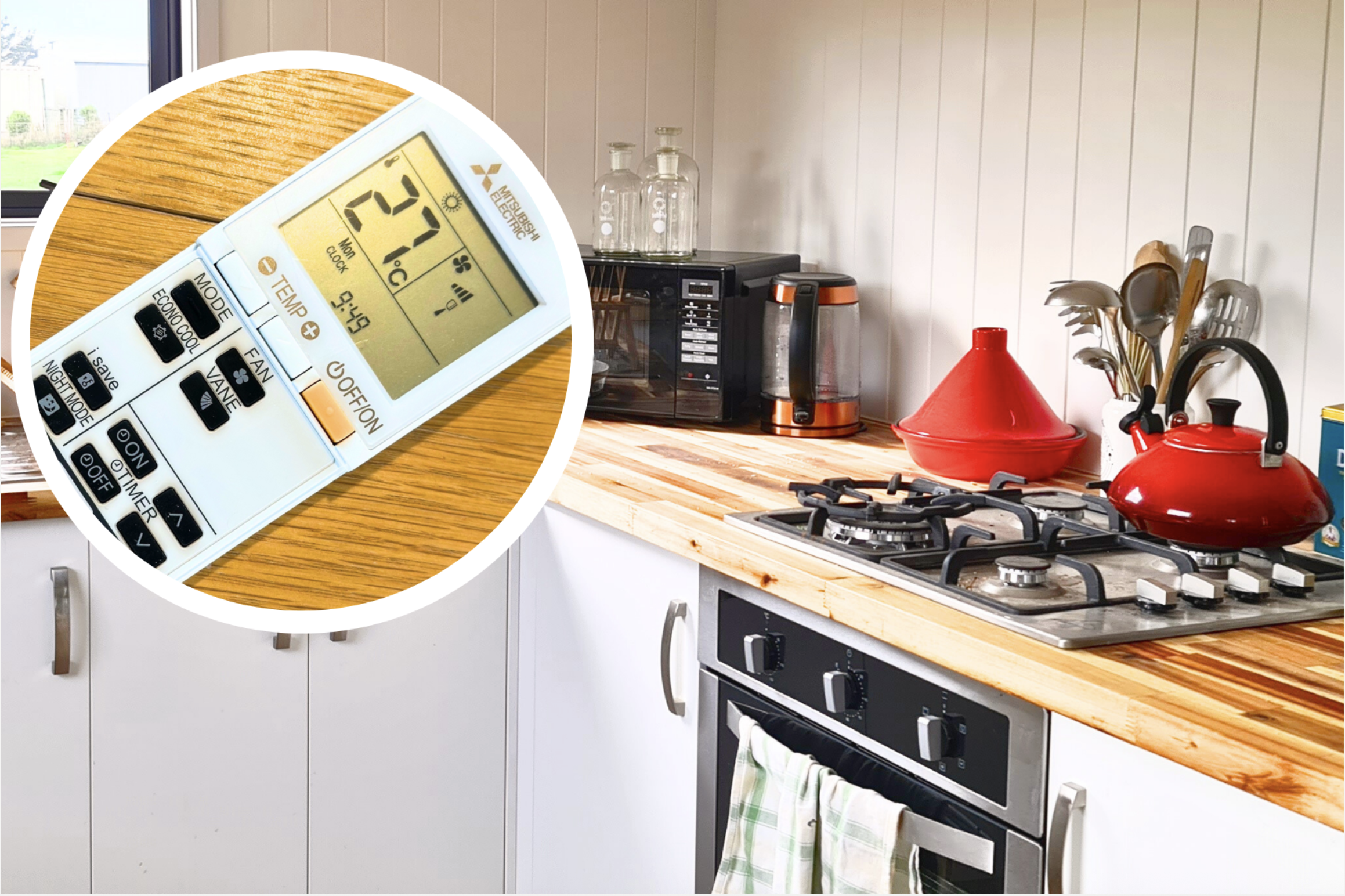
At Ruru Tiny Homes, ventilation is never an afterthought. It’s designed in from day one.
Where Does All the Moisture Come From?
Most people are surprised by just how much moisture everyday life creates — especially in a compact space.
Common sources include:
Breathing (yes, just existing adds moisture)
Cooking, especially boiling and steaming
Showering
Drying clothes indoors
Houseplants
Individually, these don’t sound dramatic. Combined in a tiny home, they add up quickly — which is why ventilation matters so much.
Heat Pumps: Heating, Cooling & Dehumidifying
Heat pumps are one of the best all-round solutions for tiny homes. They’re efficient, compact, and provide year-round comfort.
Many modern heat pumps include a dehumidification mode, which removes excess moisture from the air without significantly cooling the space. This is particularly useful:
after cooking
after showers
during long periods of rain
For best results:
use the dehumidify setting regularly
keep indoor humidity between 30–50%
consider a simple hygrometer to keep an eye on levels
A well-used heat pump does more than keep you warm — it keeps your home dry.
Extractor Fans: Small but Mighty
Extractor fans are essential in any tiny home — especially in the kitchen and bathroom.
Kitchen
An extractor fan above the cooktop removes steam, grease, and cooking odours before they spread through the home. Turning it on every time you cook (even just boiling water) makes a noticeable difference.
Bathroom
A bathroom extractor fan should be used during and after showers to remove steam quickly. This helps prevent condensation on walls, ceilings, and windows — prime mould territory.
Good extractor fans work quietly in the background, but their impact is huge.
Windows: Your Most Underrated Ventilation Tool
Windows do more than let the light in.
Used well, they create natural airflow that replaces moist, stale air with fresh outdoor air.
Cross-ventilation: Open windows on opposite sides of the home to create a gentle breeze.
Short, regular airing: Open windows for brief periods several times a day rather than leaving them open for hours — especially in humid climates.
It’s simple, effective, and costs nothing.
Extra Tools That Can Help
Depending on your site and climate, a few additional measures can make life even easier:
Standalone dehumidifiers in particularly damp areas
Vented clothes dryers, always exhausting to the outside
Limiting indoor plant numbers, or choosing low-water varieties
Tiny homes don’t need much — just the right balance.
Reducing Moisture at the Source
Ventilation works best when paired with good habits:
Cook with lids on pots
Always use the rangehood
Take shorter, slightly cooler showers
Dry clothes outside whenever possible
These small changes add up — and your home will feel better for it.
Dry, Warm, Healthy Tiny Living
A well-ventilated tiny home isn’t cold or draughty — it’s comfortable, dry, and genuinely pleasant to live in.
With the right design, equipment, and everyday habits, moisture doesn’t stand a chance.
And when ventilation is done properly, tiny living really does breathe easier.
— Fran