

The True Cost of Tiny Home Living: Looking Beyond the Build Price
Tiny homes can absolutely reduce financial pressure — but only when the full cost of ownership is understood from the outset.
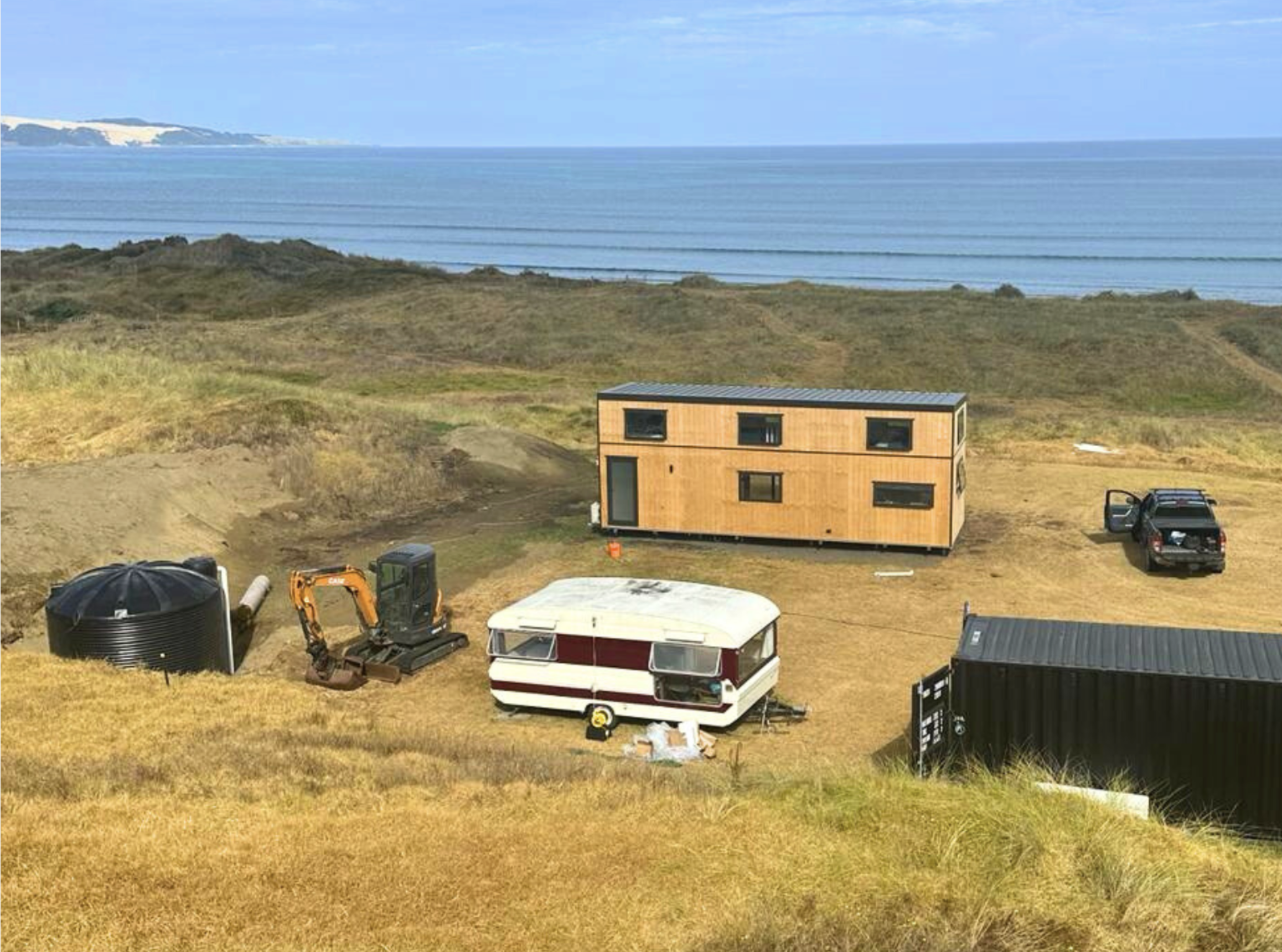
One of the most common misconceptions is that tiny homes are simply “cheap houses.” They’re not. Tiny homes are an alternative housing model, with a very different cost structure, risk profile, and set of trade-offs. When those are clearly understood, tiny homes can offer financial stability, flexibility, and long-term control. When they’re not, costs can quickly escalate.
Understanding the true cost means looking well beyond the headline build price.
Costs to Consider (Beyond the Tiny Home Itself)
Build Cost: Turnkey vs Shell
The starting point is the build — but even here, not all prices are comparable.
Turnkey builds include completed interiors, services, fixtures, and compliance documentation. They offer cost certainty and immediate usability.
Shell builds appear cheaper upfront but often exclude:
Interior fit-out
Electrical and plumbing completion
Heating, appliances, and cabinetry
Certification and compliance costs
Many shell builds end up costing significantly more once finished.
Land: Leased vs Owned
Land is often the largest long-term variable.
Leased land can keep upfront costs low but requires careful consideration of:
Lease duration and security
Rent increases
Infrastructure responsibilities
Consent and zoning requirements
Owned land provides stability but usually involves:
Higher capital outlay
Development costs
Ongoing rates and maintenance
Neither option is inherently better — the key is understanding the trade-offs.
Transport and Relocation
Transport is often underestimated.
Costs may include:
Initial delivery from the builder
Crane or hiab fees
Pilot vehicles or permits
Future relocation if land arrangements change
Even a single move can be a significant expense, so relocation flexibility should be factored into budgeting.
Infrastructure and Site Setup
Connecting a tiny home to services can involve substantial costs, including:
Power connection or solar systems
Water supply (tanks, pumps, filtration)
Wastewater systems (septic or connection)
Driveway access and site preparation
These costs vary widely depending on location and council requirements.
Ongoing Running Costs
While tiny homes are generally efficient, they still have ongoing costs such as:
Insurance
Land rent or rates
Power, water, and maintenance
Heating and ventilation systems
Understanding these costs upfront helps avoid surprises later.
Why Transparency Matters
Tiny homes are not about cutting corners — they’re about intentional choices.
When people enter tiny home living with unrealistic expectations, disappointment often follows. When expectations are realistic and transparent, tiny homes can provide:
Predictable living costs
Reduced exposure to interest rates
Greater financial resilience
Freedom from large, long-term debt
Transparency allows people to compare apples with apples and make decisions that suit their values and circumstances.
Taking a Long-Term Perspective
Most people who choose tiny home living are not chasing maximum floor area. They are prioritising:
Stable and predictable costs
Low or no debt
Flexibility to adapt as life changes
Quality of space over quantity of space
Tiny homes are not about “less for less” — they’re about less of what doesn’t matter, and more of what does.
When planned properly, tiny home living isn’t a compromise.
It’s a conscious, financially informed choice.