

Tiny Home Compliance in New Zealand: What Actually Matters
Compliance is one of the most misunderstood — and most oversimplified — aspects of tiny homes in New Zealand.
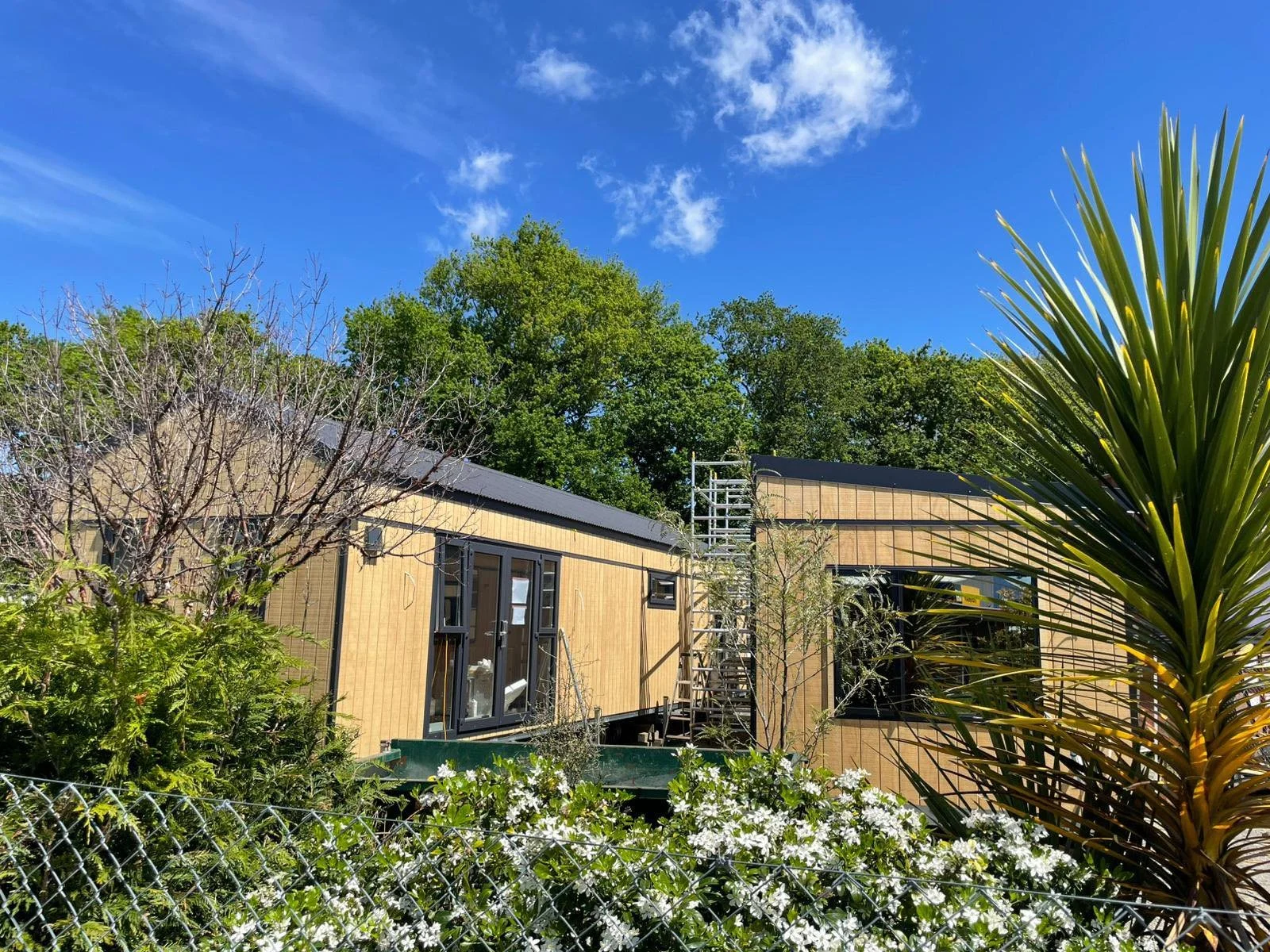
Online discussions often reduce compliance to slogans or shortcuts, but the reality is more nuanced. To understand risk properly, it’s important to distinguish between three very different concepts:
What’s legal
What’s compliant
What’s enforced
These are not the same thing — and confusing them is where many tiny home owners run into serious trouble.
Legal vs Compliant vs Enforced: The Crucial Difference
What’s legal
This refers to what is allowed under:
The Building Act
District Plans
Resource Management rules
Other relevant legislation
Legality is black and white — something is either permitted, restricted, or requires consent.
What’s compliant
Compliance relates to whether a structure:
Meets the Building Code where applicable
Has been constructed to accepted safety and performance standards
Can be certified, insured, or legally occupied
A home can be technically legal in concept but still non-compliant in construction.
What’s enforced
Enforcement depends on:
Council resourcing
Complaints from neighbours
Changes in land use or ownership
Inspections triggered by other applications (e.g. consent, sale, insurance claims)
Something not being enforced today does not make it compliant — it simply means it hasn’t been challenged yet.
Wheels Are Not a Loophole
One of the most persistent myths in the tiny home space is that wheels automatically remove council involvement.
They don’t.
While wheels may influence whether a structure is classified as a “building” under the Building Act, councils assess tiny homes primarily based on land use and occupation, not just mobility.
What councils typically look at includes:
Duration of stay (short-term vs long-term occupation)
Connection to services (power, water, wastewater)
Use as a dwelling (sleeping, cooking, bathroom facilities)
Frequency of relocation (actual movement, not theoretical)
In most districts, a tiny home that is lived in long-term is treated as a dwelling for planning purposes, even if it is on wheels. That often triggers resource consent requirements under the District Plan.
Wheels may affect how something is regulated — but they do not remove regulation altogether.
What Truly Matters for Safety (Regardless of Council)
Some compliance elements are often dismissed as “council red tape”, but in reality they exist because they address real, everyday safety risks.
These are not optional.
Stairs and Access
Poorly designed stairs and ladders are one of the most common causes of injury in tiny homes. Safe rise/run ratios, handrails, and adequate lighting matter — especially for children, older occupants, and guests.
Electrical Compliance
Electrical work in New Zealand must be carried out or certified by a registered electrician. Non-compliant electrical systems:
Are a major fire risk
Can void insurance immediately
Can prevent reconnection to power on new sites
Insurance companies routinely request electrical documentation after incidents.
Plumbing and Wastewater Compliance
Improper plumbing or wastewater systems can:
Create health risks
Contaminate land or water
Trigger enforcement action when discovered
Whether connected to a septic system, council infrastructure, or a self-contained system, compliance and correct certification matter.
Headroom, Fall Protection, and Guarding
Lofts, mezzanines, and elevated platforms are a defining feature of tiny homes — and a major risk area.
Falls from height, inadequate balustrades, and insufficient headroom are among the most common reasons insurers, engineers, or councils flag tiny homes as unsafe.
These requirements exist because people get seriously injured without them.
Why Shortcuts Almost Always Cost More Later
Cutting corners during a build may feel like a cost saving — but it almost always becomes more expensive down the line.
Non-compliant builds can:
Void or limit insurance cover
Insurers regularly decline claims when work is uncertified or non-compliant.Create major resale barriers
Buyers, lenders, and insurers increasingly ask for documentation and proof of compliance.Require expensive retrofits
Retrofitting compliance into a finished tiny home is often far more complex than building it correctly from the start.Restrict placement options
Landowners and councils are far more cautious about accepting non-compliant homes.
In many cases, owners only discover these issues after they need to move, insure, sell, or regularise their situation.
Compliance Early Is Cheaper Than Compliance Later
The most important takeaway is this:
Compliance is not about box-ticking — it’s about safety, durability, insurability, and long-term freedom.
When compliance is considered early:
Design decisions are easier
Costs are lower
Documentation is clear
Future options remain open
When it’s ignored or postponed, people are often forced into rushed, stressful, and expensive fixes — usually at the worst possible time.
Tiny homes offer freedom, flexibility, and independence — but only when they are built and placed on foundations of good information, sound construction, and realistic expectations.
Compliance doesn’t remove freedom.
Done properly, it protects it.