

Land Leasing for Tiny Homes in NZ: Everything You Need to Know
For many tiny home owners, land leasing is the key that makes the entire lifestyle possible.
Buying land outright is simply not realistic for everyone — especially in today’s market, where land prices, lending restrictions, and rising interest rates put ownership out of reach for many people. Leasing land, when done properly, can offer stability, affordability, flexibility, and independence without the burden of a large mortgage.
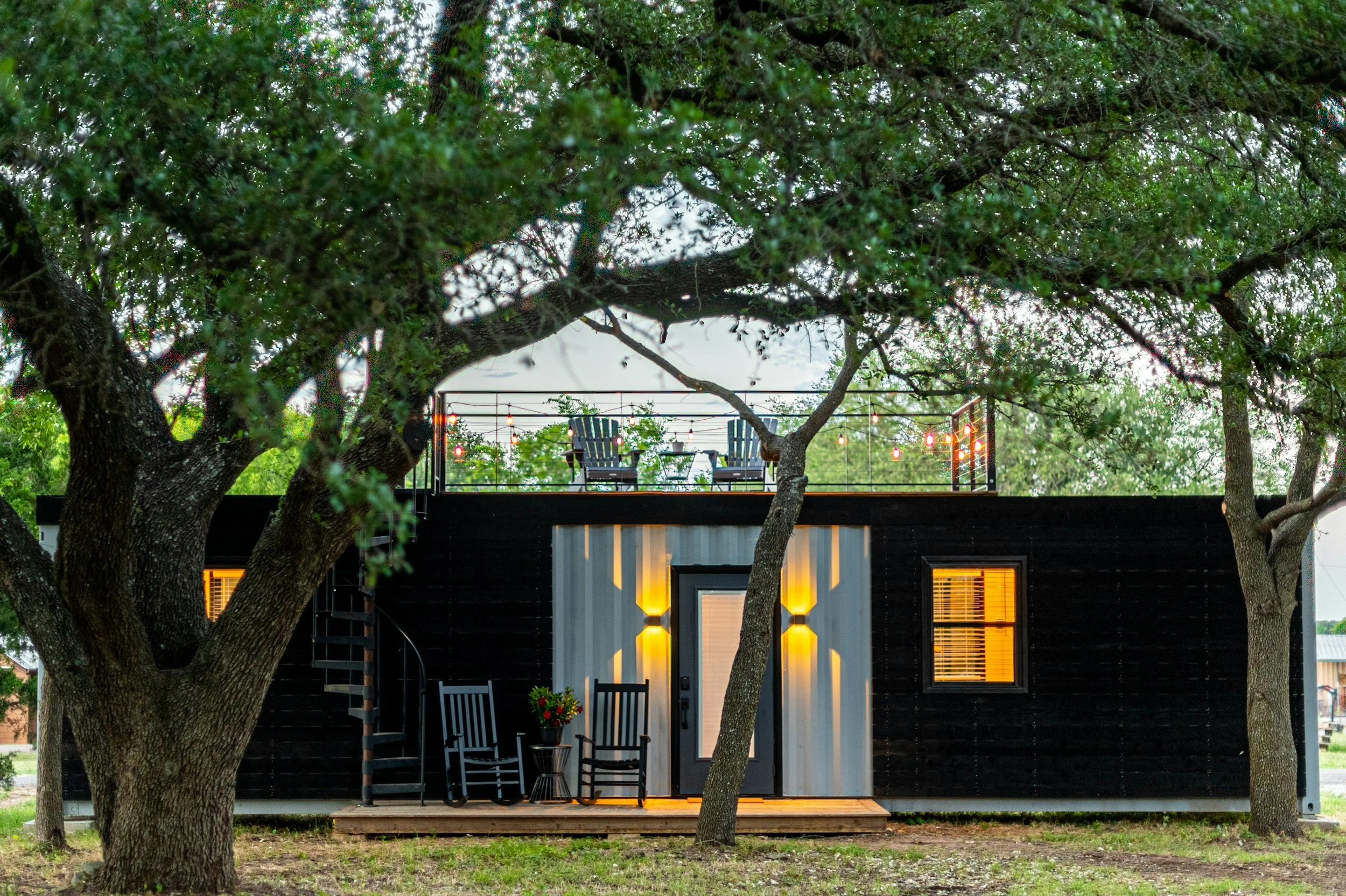
However, land leasing is also one of the most misunderstood and underestimated aspects of tiny home living. When it works well, it can be an incredibly positive arrangement for both landowner and tenant. When it goes wrong, it can unravel quickly and expensively.
This article explains why land leasing is so common, what makes a good land lease, the reality around council consent, and why getting proper advice early can save enormous stress later.
Why Land Leasing Is So Common in the Tiny Home World
Tiny homes allow people to own their dwelling outright. This is one of their greatest strengths. Instead of paying rent forever or carrying a large mortgage, tiny home owners invest in a high-quality, transportable home that belongs to them.
Leasing land complements this model by:
Keeping overall living costs manageable
Avoiding long-term debt
Allowing people to live rurally or semi-rurally
Creating flexibility to move if circumstances change
For landowners, leasing can provide:
Supplementary income
A mutually beneficial arrangement without selling land
A way to support alternative housing solutions
Because of these advantages, land leasing has become one of the most common pathways into tiny home living in New Zealand.
But common does not mean simple.
What Actually Makes a Good Land Lease?
A good land lease is not just about goodwill or a friendly relationship. It is about clarity, realism, and alignment between all parties involved.
A strong land lease typically includes:
1. Clear, Written Terms
Verbal agreements are one of the biggest sources of conflict. A proper lease should clearly state:
Who the parties are
What land is being leased
What the rent is and how it can change
What happens if circumstances change
If something matters, it should be written down.
2. A Realistic Duration
Tiny homes are not caravans for a weekend away. People invest significant money, time, and emotional energy into them.
A good lease reflects this by offering:
Medium to long-term security
Reasonable notice periods
A clear understanding of what happens at the end of the lease
Short-term or vague arrangements often leave tiny home owners exposed — particularly if they have invested in site works or services.
3. Infrastructure Clarity
Services are often where confusion begins.
A solid lease clearly addresses:
Power (grid, solar, metering, responsibility)
Water (source, consent, storage)
Wastewater (septic, connection, maintenance)
Access and parking
Assumptions around infrastructure can quickly turn into disputes if expectations differ.
4. Consent Awareness
One of the most critical — and often overlooked — elements.
Both landowner and tenant need to understand:
How the council views long-term occupation
Whether resource consent is required
Who is responsible for applying for and maintaining consent
Avoiding the topic does not remove the obligation.
5. Mutual Respect and Alignment
Good land leases are partnerships, not loopholes.
They work best when:
Both parties understand their responsibilities
Communication is open and ongoing
There is respect for boundaries, privacy, and compliance
When respect disappears, even a technically legal arrangement can become unworkable.
The Consent Reality (Even for Tiny Homes on Wheels)
This is where many people are caught off guard.
In most New Zealand councils, a tiny home that is occupied long-term is treated as a dwelling, even if it is on wheels. Wheels alone do not automatically exempt a home from planning rules.
In many cases, this means:
Resource consent is required
Zoning rules apply
Limits on number of dwellings per site may apply
Some councils are supportive. Others are strict. Every district plan is different.
What matters is this:
Ignoring consent requirements doesn’t make them disappear — it just transfers risk to the people living there.
Enforcement action, complaints, or a change in council staff can suddenly expose an arrangement that felt “fine” for years.
Common Red Flags to Watch For
Certain phrases and situations should immediately prompt caution:
“Council doesn’t need to know”
“Everyone around here does it”
No clear explanation of services or responsibilities
Very short notice termination clauses
No discussion of zoning or district plan rules
Pressure to move quickly without paperwork
These don’t automatically mean a lease will fail — but they do increase risk significantly.
Why We Offer Land & Consent Consulting
We see land leases unravel after the tiny home is built far too often.
By that point:
Money has been spent
Homes are finished
Families are emotionally invested
Options are limited
Our land and consent consultation service exists to prevent problems before they arise, not to assign blame after the fact.
We help clients:
Understand council rules in their district
Assess land suitability realistically
Identify risks early
Make informed decisions with eyes open
This is not about fear — it’s about clarity, transparency, and stability.
Land Leasing Can Work — When Done Properly
Land leasing can be a beautiful solution. We see many successful, respectful, long-term arrangements that provide security and satisfaction for everyone involved.
But it only works well when:
Expectations are realistic
Legal and planning realities are acknowledged
Conversations happen early
Decisions are informed, not rushed
Tiny homes represent freedom and independence — and those values deserve a foundation that is just as solid.
If you’re considering land leasing, make sure you’re building your tiny home lifestyle on clarity, not assumptions.