

The Quick Guide to Tiny Homes in New Zealand
Tiny homes are no longer a fringe idea in New Zealand — they’ve become a serious, thoughtful housing option for people who want more control over how they live, spend, and plan for the future.
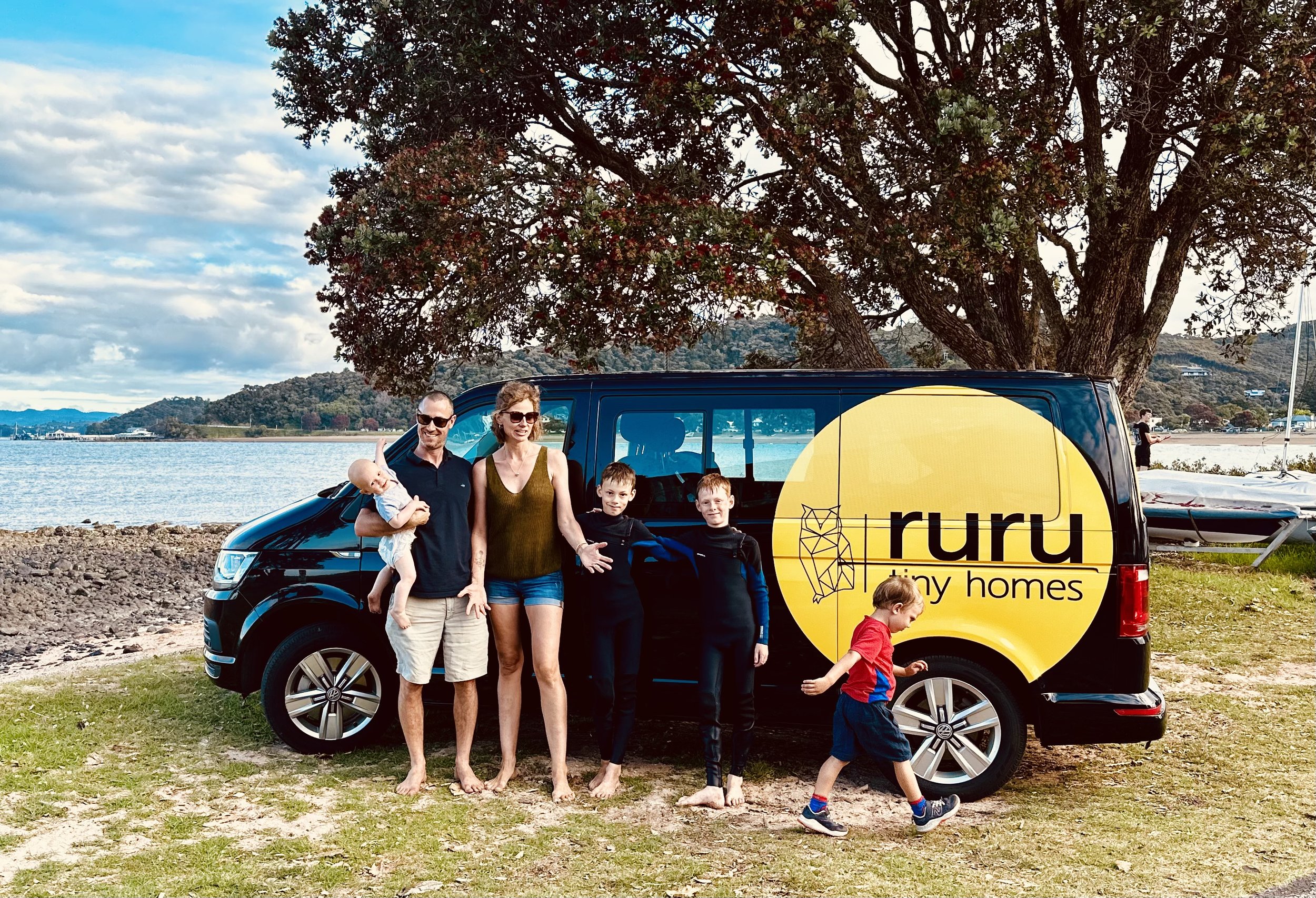
At Ruru Tiny Homes, we don’t just build tiny homes — we lived in one ourselves. And after delivering close to 150 homes across the country, we’ve seen what works, what doesn’t, and what people wish they’d known earlier.
This guide brings it all together.
What Is a Tiny Home in NZ, Really?
In New Zealand, a tiny home is typically a small, fully self-contained dwelling, most often built on wheels. Some are used as:
full-time homes
secondary dwellings
rental or Airbnb accommodation
transitional housing
What matters isn’t just size — it’s how and where the home is used.
Wheels vs Foundations
Tiny Homes on Wheels (THOWs)
Offer flexibility and mobility. If genuinely moveable, they generally don’t require building consent — though land use and resource consent may still apply.Tiny Homes on Foundations
Treated more like conventional buildings and require building consent. Less flexible, but sometimes preferred for permanent setups.
Neither option is “better” — the right choice depends on your land, goals, and appetite for flexibility.
The Real Costs to Consider
A tiny home isn’t just about build cost. You also need to consider:
land (owned or leased)
infrastructure (power, water, wastewater)
transport
long-term running costs
Done properly, tiny living can dramatically reduce financial pressure — but only if you understand the full picture.
Land: The Deciding Factor
For most people, the tiny home itself is achievable.
Finding secure, compliant land is the real challenge — which is why land leasing has become such a big part of tiny home living in NZ.
Lifestyle: The Part People Forget to Talk About
Tiny living rewards:
intentional living
routines
good design
honest expectations
It’s not about deprivation — it’s about choosing what matters.
Why the Builder Matters More Than the Size
Design mistakes, poor compliance, or cheap shortcuts become very expensive over time. A well-built tiny home should feel:
solid
warm
dry
safe
easy to live in long-term
That’s what makes tiny living sustainable — not just smaller floor area.
Tiny homes aren’t a trend. They’re a response to reality.
And when done well, they offer freedom few traditional houses can.